News & Events

April 03, 2026

Vax Facts Friday 4.3.2026

Our Vax Facts Friday series tests your knowledge with a trivia question from Just the Vax, the Vaccine Education Center's vaccine trivia game!
Read More
April 01, 2026

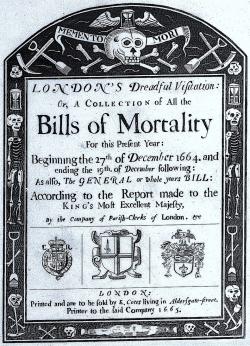
Exploring Epidemiology: Observation Without Understanding

In the mid-14th century, the Black Death was sweeping across Europe. Towns emptied, mass graves replaced cemeteries, and within just a few years, an estimated one-third of the continent's population was gone. It remains one of the most devastating epidemics in human history; for those who lived through it, nothing would ever look the same. And yet, out of that terror and uncertainty came some of the most important public health innovations ever developed — some still in practice today.
Read More
March 27, 2026

Vax Facts Friday 3.27.26

Our Vax Facts Friday series tests your knowledge with a trivia question from Just the Vax, the Vaccine Education Center's vaccine trivia game!
Read More
February 19, 2026

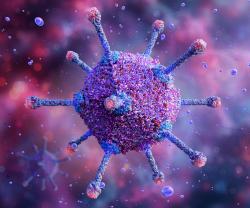
Spotlight on: Adenoviruses in the Military and Beyond

Although adenoviruses are a ubiquitous pathogen, most people are more familiar with the generalized, cold-like symptoms they cause than the name. Adenovirus infections tend to occur seasonally and typically, are not severe. However, like many respiratory infections, adenoviruses spread easily in crowded environments, which is why military barracks are uniquely susceptible to outbreaks, and as with any outbreak — the more cases that occur, the more likely some will be severe. 

Read More
December 16, 2025

Exploring Epidemiology: Early Epidemiology

Throughout history, people have faced infectious diseases. Because we transmit many of these infections to others, it’s an important societal goal to reduce their potential impact in our communities. In the past few centuries, we have made marked progress, and much of that has been the result of a field of science known as epidemiology. Epidemiology is a discipline focused on where, why and how disease occurs in a population in order to inform prevention strategies.
Read More